How to sync the brains of buying committees and make the sale
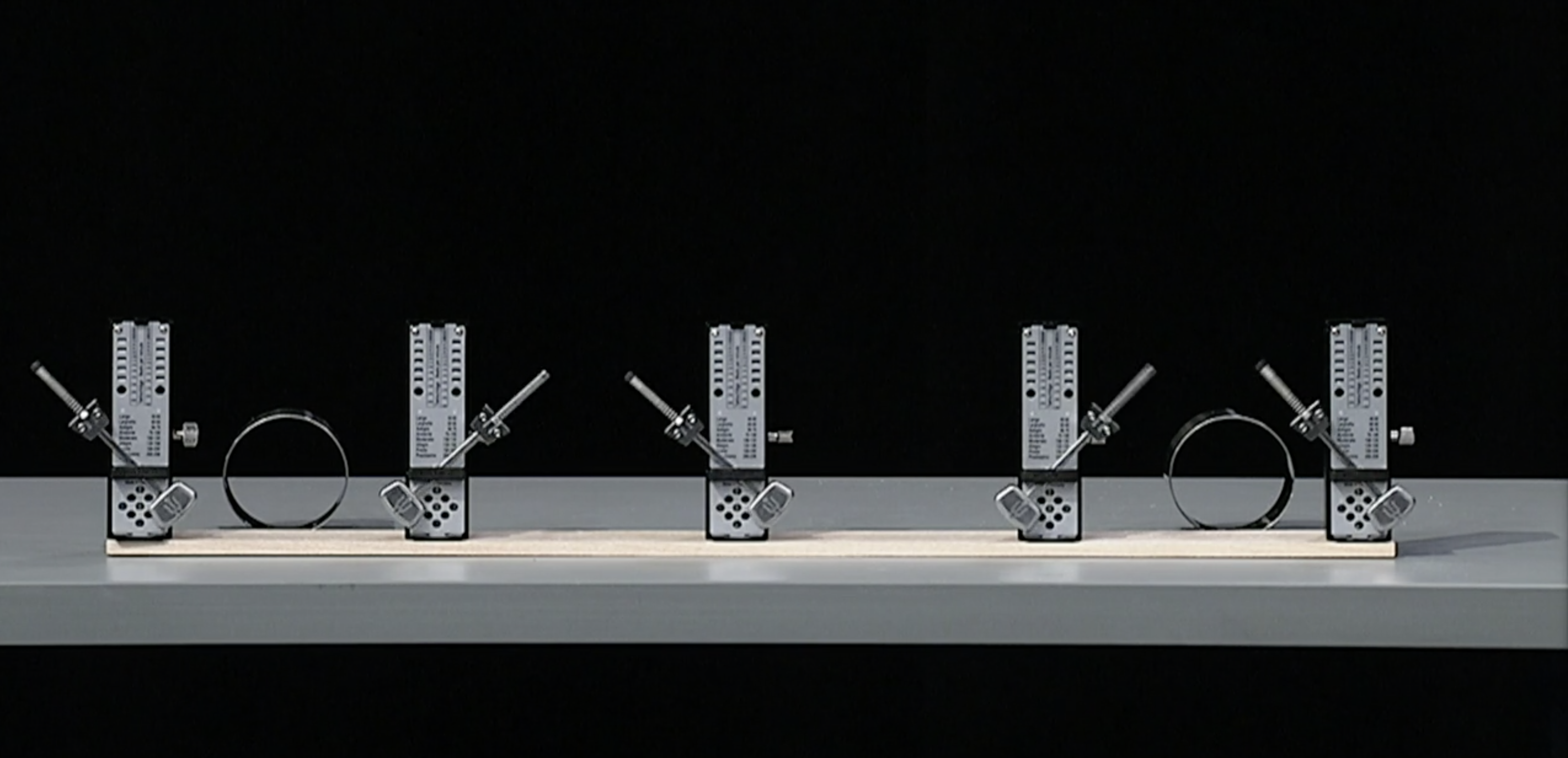
Take several mechanical metronomes and set them to tick at different speeds, so that you create a chaos of random sound. Tick tick tock ticktick tick tickticktick tocktock tick. This is what buying committees can feel like. A chaos of random ticking in different directions at different speeds, all of it coming to nothing.

Golden Nuggets from the CSO Insights 2018 Sales Talent Study
I had a chance to review the CSO Insights 2018 Sales Talent Study and extracted some fascinating data. I thought it might be interesting to take their data, overlay some of Objective Management Group's (OMG) data, and see what we can take away from that.

How to Harness Shoshin to Improve Sales Effectiveness
Whenever someone tells me they have 10 years of experience, I always wonder: Do they really have ten years, or do they have one year of experience multiplied by ten?

Are You Learning Yesterday’s Skills For Tomorrow’s Buyers?
Every time I meet sales enablement and sales executives, I ask, “What are the critical skills you are focusing on training and developing your people on?

How to sell an $85 bottle of water and why you shouldn't want to
I recently got back from Vegas. I was at a conference there, staying in a very nice, high-end hotel. The hospitality was delightful. The room was beyond comfortable. The view was spectacular. Everything was great.

Sales pipeline management: let’s stop confusing progress with probability
Sales forecasting is hard. For proof, you need look no further than the 2018 CSO Insights Sales Performance study, which reported that on average a little over 46% of all forecasted sales deals actually resulted in a win (never mind the timing).