
These Four Limiting Beliefs are Undermining Your Sales
“Every salesperson has a collection of beliefs. When they are positive beliefs, they support positive sales outcomes. When the beliefs are negative, they sabotage ideal sales outcomes. Our thoughts and beliefs influence our actions, and our actions lead to outcomes.”

Guiding Our Customers On The Wrong Buying Journey
I have to start this post with a story. I’m an obsessed reader. At least once a week, I have to sign into Amazon to feed my reading habit. On logging in, I’m immediately fed suggestions of books I should buy...

5 reasons you should dump your old CRM
More and more organizations are coming to terms with the fact that traditional CRM has simply not lived up to its promises. Touted as a powerful sales performance tool, in many organizations it has turned out to be an unwieldy tracking and reporting tool, a glorified Rolodex that salespeople resent while sales managers wrangle to get them to use it at all.

Revisiting the Buyers Journey
I can still remember the powerful inspiration I gained from my first reading of Hugh Macfarlane’s “The Leaky Funnel” – the 2003 book that first drew the B2B sales and marketing community’s attention to the concept of the buyer’s journey.
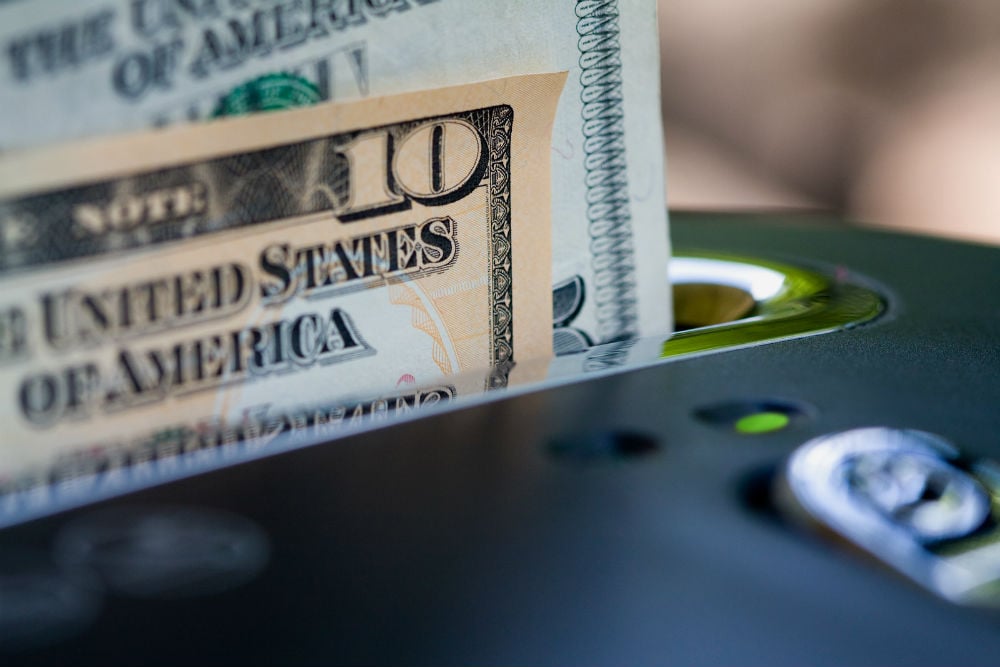
Is bad sales logic destroying your profit?
There is an epidemic in the sales industry, and it’s destroying profits. Year after year, sales effectiveness continues to decline, and while the causes are many and complex, there is one big problem that is causing way more trouble than it should.

Top 4 Reasons Why Salespeople Suck at Consultative Selling
Yesterday, a sales manager I was coaching asked me to explain the difference between a great question and a tough question. I gave him the one-minute version but this article has the expanded version of that answer.