
Building Trust in Sales in the Age of AI with Julie Thomas
AI is changing how salespeople research, prospect, and prepare. But when it comes to earning a buyer’s trust, technology can only take you so far.

Four Simple Rules to Success in Complex Sales
I learned from working and collaborating with Derek and Laura Cabrera of Cabrera Lab that every complex system actually operates on very simple rules. They developed the DSRP theory to identify and explore the simple rules and tools of (systems) thinking. Last year, I partnered with them to use Membrain’s data to write a research paper about the importance of engaging stakeholders in complex sales and how to use DSRP to create a shared mental model.

AI in Sales, Sales Tools & Timeless Fundamentals with Dave Kurlan
AI is changing how sales teams work, but does that mean the fundamentals of good selling have changed too?
In this episode of 3 Questions from The Art & Science of Complex Sales, Paul Fuller sits down with Dave Kurlan to get his perspective on three questions facing sales teams today.

What the Fish Doesn’t Know
A fish in a pond knows a lot about its pond. It knows where to find insects to eat, and where to hide when a bigger fish swims by. It knows where to find cool shade in the afternoon, and it knows when it’s time to migrate somewhere else. It understands the way the environment directly impacts it.

How to Win More in B2B Sales with Jeff Bajorek
Why do some sales teams keep winning while others seem to rely on timing, relationships, and a little bit of luck?
How To Stay Relevant In the Age of AI
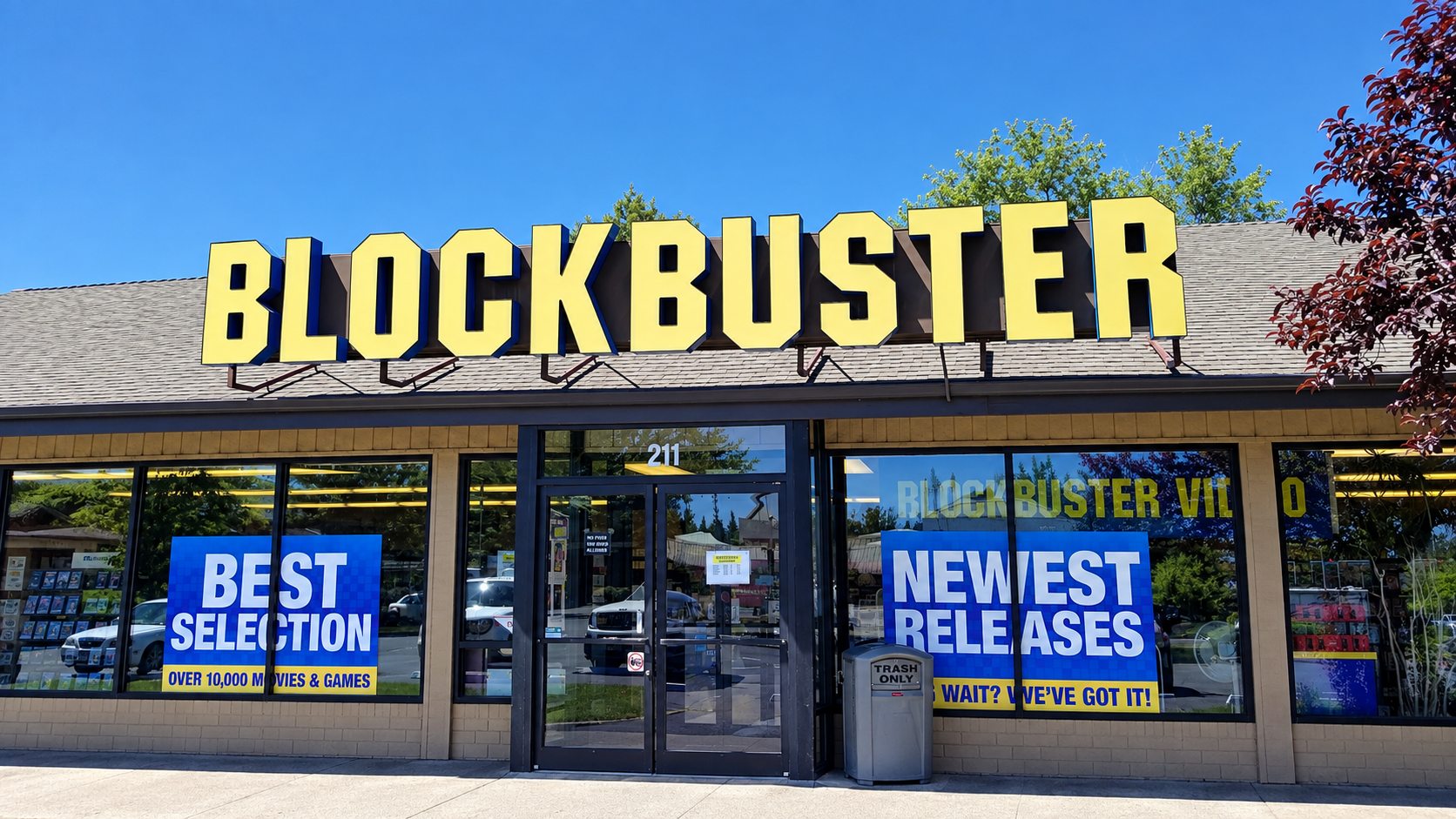
Imagine this: It’s date night, circa 1999. Netflix hasn’t been invented yet, and you’re planning a cozy night in with your sweetheart. You head out to Blockbuster to wander the aisles and choose a VHS to pop in the player at home and snuggle up for a movie night.